Vibrating Red Light Spray Comb: Easy Scalp Refresh
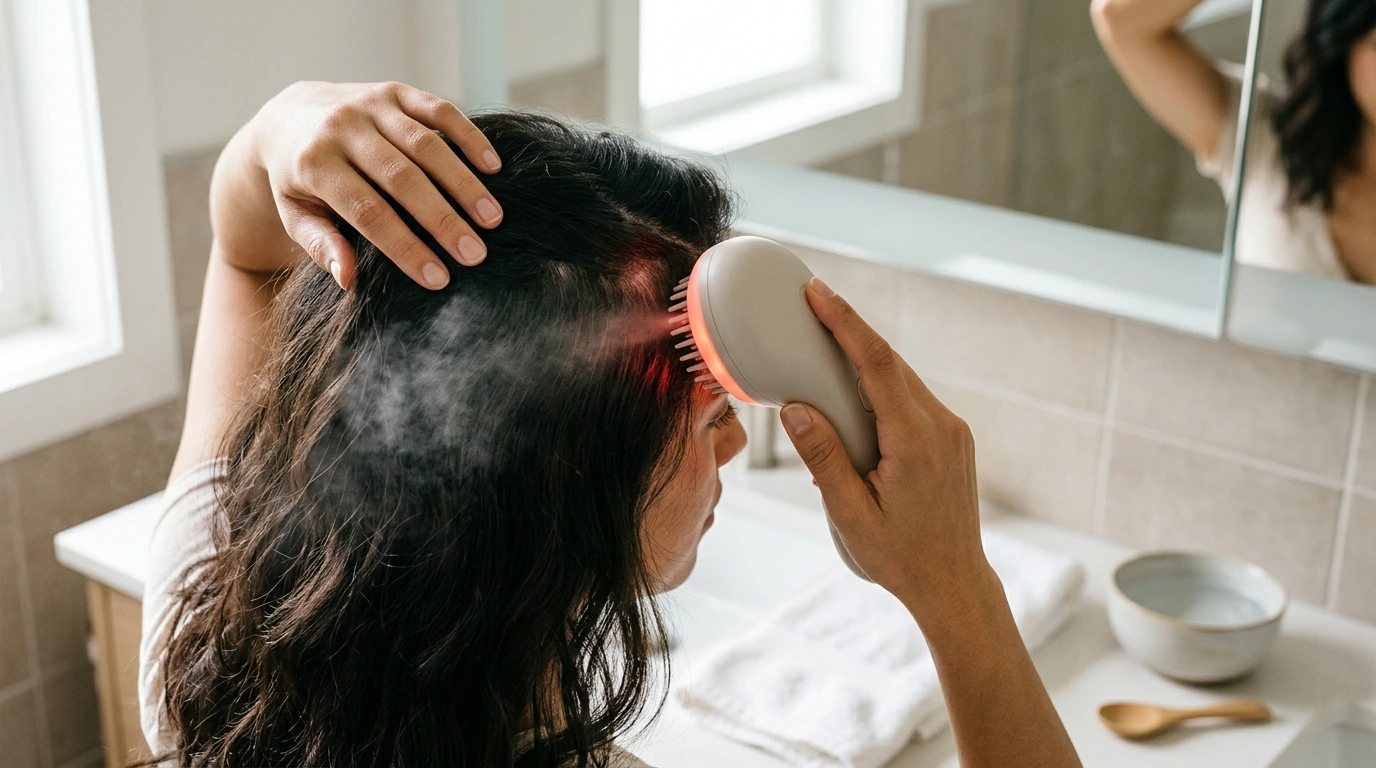
Electric Red Light Scalp Massager Spray Comb with Vibration: A Practical Guide
A scalp tool that combines a comb-style massager, gentle vibration, a built-in spray function, and red light can make everyday scalp care feel more organized and comfortable—especially between wash days. The goal isn’t aggressive “scrubbing,” but a cleaner-feeling routine, more even moisture or product distribution at the roots, and a calmer scalp-touch habit you can repeat consistently.
If you’re looking for a routine-friendly option, the Electric Red Light Scalp Massager Spray Comb with Vibration is designed to combine these functions in one handheld device.
What This Scalp Massager Spray Comb Is
This is a handheld electric comb that parts through hair while delivering a light scalp massage. Unlike flat massage pads, the comb shape can help you reach the scalp directly along parts, edges, and hairlines.
A built-in spray feature helps apply water or other scalp-friendly liquids more evenly, which can reduce heavy, patchy application. The red light component is commonly used in personal care devices as part of comfort-focused routines, while vibration provides a steady massage sensation without needing harsh pressure.
Key Features That Shape the Experience
Comb form factor (scalp access)
The comb layout makes it easier to target specific zones—temples, crown, nape—without disturbing your entire style. This can be especially useful when you want to refresh just the roots rather than re-wet all lengths.
Vibration (a gentler technique)
Vibration encourages a consistent, light-touch routine. Many people find this helps reduce the urge to scratch with fingernails, which can worsen tenderness or irritation over time.
Spray function (more even distribution)
A fine mist can help dampen hair before styling, refresh protective styles, or distribute diluted scalp tonics along parts. The key is using liquids that won’t clog the spray pathway.
Red light (routine consistency over intensity)
For most at-home habits, the biggest difference comes from using a device consistently and comfortably, rather than pressing harder or chasing “maximum intensity.” Keep sessions short and repeatable.
Best Ways to Use It (Simple Routine Options)
Option 1: Dry scalp massage (3–5 minutes)
Use light pressure and slow passes from hairline to crown. Let the vibration do the work—pressing harder doesn’t equal better results and can lead to soreness.
Option 2: Quick refresh routine (roots-focused)
Mist lightly, then comb and massage in sections to help spread moisture across the scalp surface. This can be helpful after workouts, under hats, or on days when your scalp feels “tight” but you don’t want a full wash.
Option 3: Product distribution (lightweight only)
If your scalp serum is device-safe and spray-safe, apply a small amount and work in sections for more even coverage. This can reduce over-application in one spot (which often leads to greasy patches) and under-application elsewhere.
Option 4: Post-wash comfort (short and gentle)
On towel-dried hair, keep sessions brief and avoid tugging. Wet strands stretch more easily, so go slowly and avoid pulling through tangles.
For many people, 3–5 sessions per week is easier to maintain than long, occasional sessions.
What to Put in the Spray Reservoir (Practical Guidance)
Clean water is the simplest, most device-friendly option—especially if you’re concerned about buildup. If you choose liquids beyond water, keep them lightweight and low-residue to reduce clogging and sticky film.
Avoid thick oils, gritty scrubs, or sugary/gummy mixtures that can block spray channels and become difficult to remove. When trying a new liquid, test a small amount first and clean the reservoir after each use.
Spray Fill Options and When to Use Them
| Fill option | Good for | Cautions |
|---|---|---|
| Clean water | Daily refresh, rehydrating roots, detangling prep | Empty and air-dry if not used for several days |
| Diluted leave-in (very light) | Even distribution on roots/parts | Only if it stays sprayable; rinse reservoir frequently |
| Saline or scalp-friendly toner (lightweight) | Comfort routine after workouts or under hats | Avoid formulas that leave sticky film; check sensitivity |
| Thick oils or heavy serums | Not recommended for spray channels | High clog risk; may be hard to clean completely |
Comfort and Scalp-Care Benefits (What People Typically Notice)
Regular, gentle stimulation may support a healthier-feeling scalp environment alongside cleansing and moisturizing habits. If you’re dealing with persistent itching, unusual shedding, or ongoing flaking, it can help to review common scalp conditions with an authoritative resource like the Cleveland Clinic’s scalp care overview and consider professional guidance.
How to Use Without Snagging or Irritation
Cleaning and Maintenance for Consistent Spray Performance
Who This Tool Fits Best
When to Be Cautious
If you’re experiencing unusual shedding or persistent scalp symptoms, consider a dermatology consultation to identify the underlying cause. The American Academy of Dermatology Association provides a helpful overview of common hair-loss causes and treatment pathways.
A Simple At-Home Routine (7 Minutes Total)
Shop Related Self-Care Picks
- Electric Red Light Scalp Massager Spray Comb with Vibration
- Using AI to Practice Empathy Toward Yourself – Self-Compassion AI Guide (Digital eBook)
- A Guide to Resetting Your Mind After Burnout (Digital eBook)
FAQ
Can the spray comb be used on dry hair?
Yes. Use it on dry hair for vibration massage, or add a light mist to refresh roots; keep pressure gentle to avoid snagging.
What can be put inside the spray reservoir?
Clean water is the safest default. If you use other liquids, keep them lightweight and low-residue to reduce clogging; avoid thick oils and sticky formulas.
How often should a vibrating scalp massager be used?
Many routines work well at 3–5 times per week for a few minutes per session. Reduce frequency if tenderness or irritation appears.









Leave a comment