Minimalist Wooden Bookcase Ideas for Bedroom & Living
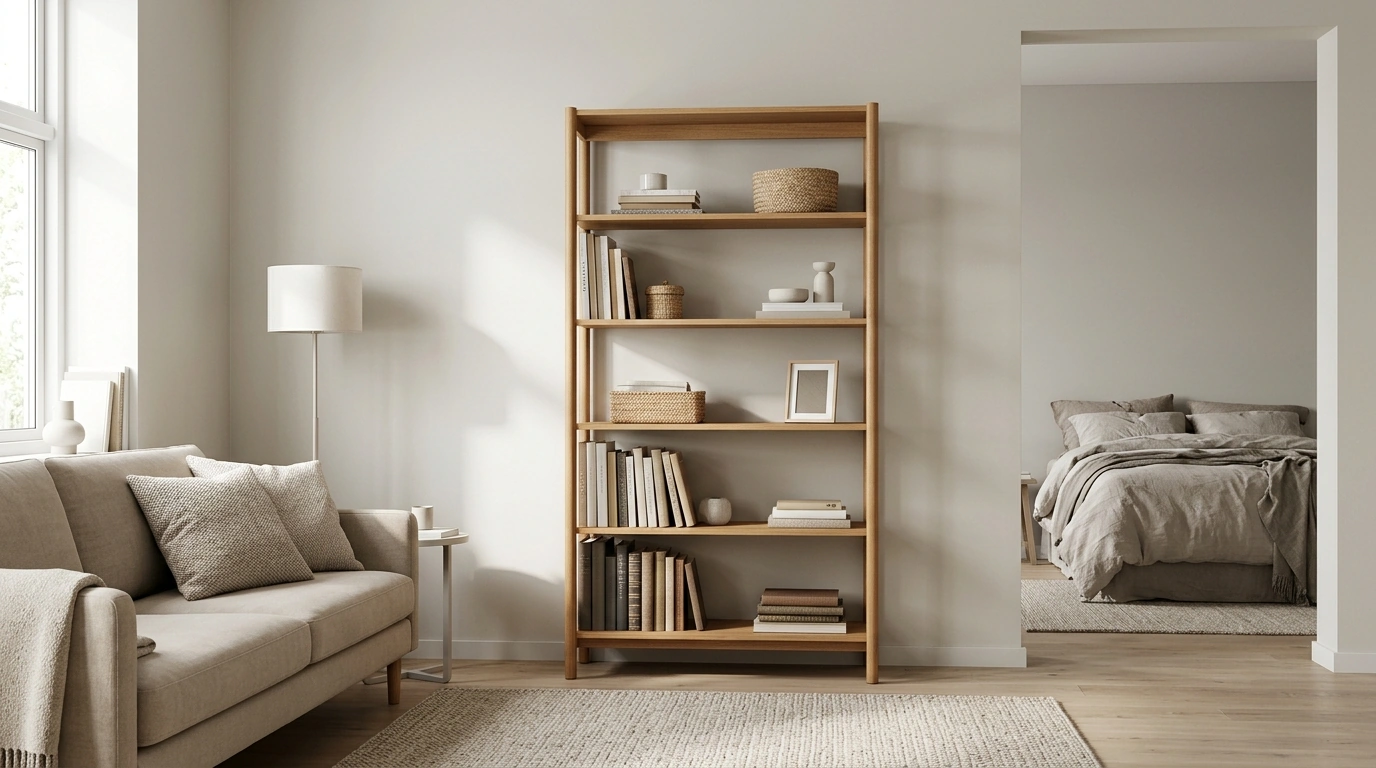
Modern Minimalist Wooden Bookcase for Living Room and Bedroom
A modern minimalist wooden bookcase can do more than store books—it can bring visual calm, define zones in an open layout, and keep everyday essentials within reach without looking cluttered. With the right size, finish, and styling rhythm, one well-chosen piece can serve both living rooms and bedrooms beautifully. Below are practical placement ideas, planning tips, build-quality details to watch for, and easy care habits that help wood stay crisp and refined over time.
Why a minimalist wooden bookcase works in both living rooms and bedrooms
Minimalism isn’t about having less storage—it’s about storage that looks quiet. A wooden bookcase with clean lines adds warmth while keeping the room feeling open, which is especially helpful in modern interiors that can lean hard or sterile.
Because it uses vertical space, a bookcase frees up floor area for seating, a nightstand, or a clear walkway. Neutral silhouettes also blend easily across popular looks like Scandinavian, Japandi, contemporary, and transitional—so it won’t feel out of place when you swap rugs, linens, or wall art.
Finally, a bookcase doubles as display and organization: books, baskets, framed photos, and media accessories can live together without visual chaos. You can refresh it seasonally by rotating just a few objects rather than redecorating the entire room.
Room-by-room placement ideas
Living room
Place the bookcase near a seating area to create a simple reading corner. Add a floor lamp and a small side table so the zone feels intentional and inviting without adding clutter.
In open-plan layouts, a tall, airy bookcase can act as a boundary that subtly separates lounge and dining areas while still allowing light to pass through. This works well when you want definition without closing the room off with a solid divider.
Bedroom
Position a bookcase beside a dresser or desk to keep the top surfaces clear. Reserve the middle shelves for “daily-grab” items like a journal, skincare tray, or a small basket for chargers.
For a calmer visual wall, keep heavier books on the lower shelves and let the upper shelves stay lighter with framed photos or a few pieces of décor. The overall effect reads restful instead of busy.
Small rooms
In tight spaces, choose one statement bookcase rather than several small units. Fewer silhouettes reduce visual fragmentation, which makes the room feel larger and more composed.
Sizing and layout planning before buying
A minimalist piece looks best when it has breathing room. Start by measuring wall width and height, then subtract clearance for baseboards, outlets, and door swing paths. Leaving a few inches on each side helps the bookcase feel placed—not squeezed.
Confirm shelf depth based on what you actually own. Hardcovers, baskets, and vinyl records all require different depths; the right fit prevents overhang and keeps the front edge looking tidy. Plan a weight strategy too: heavier items low, lighter décor high for stability and a balanced silhouette.
If the bookcase will sit on carpet, consider shims or leveling feet so shelves sit flat and any doors or drawers (if included) operate smoothly.
| What to check | Recommended target | Why it matters |
|---|---|---|
| Wall space | Width + height with clearance | Prevents crowding and keeps the silhouette clean |
| Shelf depth | Match books + baskets used most | Avoids overhang and wasted space |
| Stability | Heaviest items on bottom | Reduces tip risk and improves visual balance |
| Traffic flow | Keep walkways open | Maintains comfort in living rooms and bedrooms |
| Light and glare | Avoid direct sun when possible | Helps preserve wood color and finishes |
Materials, finish, and durability details that matter
Wood tone affects styling flexibility. Mid to light wood usually plays well with both warm and cool palettes, making it easier to match black accents, white walls, or soft neutral bedding. For deeper context on engineered wood panels and performance, the APA’s overview is a helpful reference: APA — Engineered Wood & Structural Panels Overview. If responsible sourcing is important, you can also learn about forestry standards at Forest Stewardship Council (FSC).
Styling tips for a calm, modern look
Safety, stability, and everyday usability
Tall furniture should be treated as a safety item, not just décor. Anchoring a bookcase to the wall is recommended whenever possible—especially in homes with kids, pets, or uneven floors. The U.S. Consumer Product Safety Commission provides practical guidance on tip-over prevention here: CPSC Furniture Tip-Over Prevention.
Care and maintenance for a long-lasting wood finish
Product spotlight: Modern Minimalist Wooden Bookcase for Living Room and Bedroom
If you want storage that feels light and uncluttered, the Modern Minimalist Wooden Bookcase for Living Room and Bedroom is designed for clean, contemporary interiors. It works as a display-and-storage hub for books, baskets, framed photos, and small décor—ideal for multi-purpose rooms where you want organization without visual noise.
- Using AI to Practice Empathy Toward Yourself – Self-Compassion AI Guide (Digital eBook)
- A Guide to Resetting Your Mind After Burnout (Digital eBook)
FAQ
How do bookshelves look minimal?
Use negative space, limit colors to a small palette, and mix vertical and horizontal book stacks. Keeping about 20–40% of shelf space empty makes the arrangement feel intentional rather than crowded.
Should a bookcase be anchored to the wall?
Anchoring is recommended for tall or heavily loaded bookcases, especially in bedrooms and living rooms where tipping risk increases with children, pets, or uneven floors. It also reduces wobble and long-term stress on joints.
How do you keep a wooden bookcase from looking cluttered?
Hide small items in matching baskets, group décor into a few repeated shapes, and reserve one shelf for open space to visually reset the whole unit. A limited color palette helps everything read calmer at a glance.








Leave a comment