Dining Room Glow-Up: 5 Easy Styling Moves + Checklist
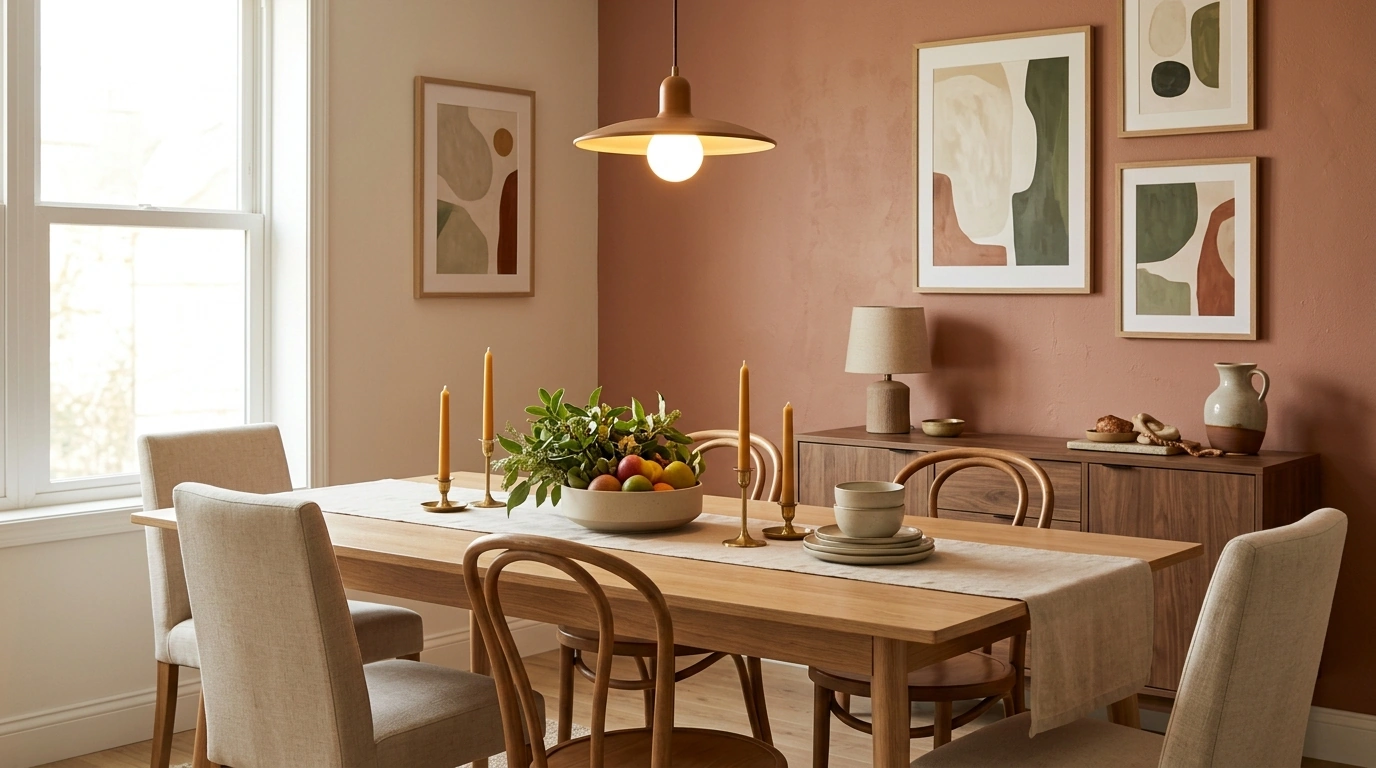
Dining Room Glow-Up in 5 Easy Moves
A dining room refresh doesn’t have to mean new furniture or a full renovation. A few targeted styling changes can make the space feel brighter, more intentional, and more welcoming—often using what’s already on hand. The five moves below focus on the details that create the biggest visual shift, plus a printable checklist to keep the makeover simple and satisfying. For more guidance, see Inspiring Dining Room Ideas For Your Home.
Before the glow-up: a 15-minute reset that changes everything
Before you buy anything or start rearranging, give the room a quick “clean slate” reset. This is the step that makes every change look more dramatic afterward. For further reading, see 83 Elevated Dining Room Ideas Perfect for Entertaining.
- Clear the dining table completely (including mail, chargers, and décor that no longer fits the vibe).
- Do a quick edit of visible surfaces: buffet, bar cart, open shelving, windowsill.
- Wipe down the tabletop and chairs; clean glass/reflective surfaces to boost light.
- Decide the function: everyday family meals, hosting, multipurpose workspace, or a mix.
- Set one guiding style note for the room (warm + cozy, modern minimal, classic, eclectic) to prevent “random” styling.
If you want a fast, step-by-step flow you can repeat anytime guests are coming over, use Dining Room Glow-Up in 5 Easy Moves – Printable Checklist to keep decisions quick and consistent.
Move 1: Anchor the room with a simple color story
A cohesive palette is the fastest way to make a dining room look “designed,” even when everything is thrifted, inherited, or collected over time.
- Pick 2–3 main colors and 1 accent; repeat them across textiles, art, and tabletop décor for cohesion.
- Use neutrals as the base (wood tones, cream, charcoal) and add one “lift” color (green, terracotta, navy, brass).
- If the room feels flat, add contrast: light table + darker chairs, or dark table + light runner and centerpiece.
- Tie the palette to what’s nearby (kitchen cabinetry, adjacent living room tones) for a seamless flow.
One easy rule: repeat your accent color three times—once on the table, once on the wall (art or frame), and once somewhere “soft” (curtains, rug, or chair cushions). That repetition reads as intentional without feeling matchy.
Move 2: Upgrade lighting with one high-impact tweak
Lighting determines whether a dining room feels welcoming or stark. You don’t need a full fixture replacement to make a noticeable difference.
- Use warmer bulbs (typically 2700K–3000K) to make the room feel inviting and flattering at night.
- Add layers: overhead light + candles + a small lamp on a sideboard (if outlets allow).
- Aim for the right hanging height: a chandelier/pendant usually looks best when the bottom sits roughly 30–36 inches above the tabletop (adjust for ceiling height and sightlines).
- If replacing the fixture isn’t an option, swap shades, add a dimmer, or use plug-in options to soften the look.
For brightness guidance, Energy Star’s room-by-room overview is a helpful reference for choosing bulb output (Recommended Light Bulb Brightness (Lumens) for Rooms). For a quick primer on layered lighting (ambient, task, accent), see Architectural Digest’s lighting tips.
Move 3: Style the table like a “centerpiece moment” (without losing function)
The 5 moves at a glance
| Move | What to change | Fastest win | Common mistake to avoid |
|---|---|---|---|
| 1. Color story | Limit to 2–3 core colors + 1 accent | Repeat one accent in 3 places | Using too many unrelated tones |
| 2. Lighting | Warm bulbs + layered light | Add dimming or candles | Cool bulbs that make the room feel harsh |
| 3. Table styling | Tray + balanced heights + texture | One statement centerpiece | Oversized décor that blocks conversation |
| 4. Wall focus | Art/mirror sized to the wall | Hang at eye level, center aligned | Tiny art floating too high |
| 5. Finishing touches | Textiles + greenery + scent | Add a runner and one plant | Too many small items instead of a few larger ones |
Move 4: Create a wall focal point that makes the room feel finished
Move 5: Add texture and “life” with finishing touches
If decision fatigue hits mid-makeover, a quick mindset reset can help you finish strong without overthinking. Using AI to Practice Empathy Toward Yourself – Self-Compassion AI Guide is a simple way to get unstuck, especially when “making it perfect” starts to creep in.
Printable checklist: make the makeover feel effortless
Keep it somewhere easy to grab (a kitchen drawer or a home binder) so your dining room can go from everyday to guest-ready in minutes: Dining Room Glow-Up in 5 Easy Moves – Printable Home Decor Checklist.
If you’re tackling your home during a high-stress season, pacing matters. A Guide to Resetting Your Mind After Burnout pairs well with bite-sized home projects—so the refresh feels energizing, not exhausting.
FAQ
What if the dining room is small or part of an open-plan space?
Use a tighter palette (2 main colors plus one accent), a smaller-scale centerpiece, and one clear focal wall to keep the zone feeling defined. A rug under the table and a mirror on the hero wall can visually separate the dining area while making it feel brighter and larger.
How can a dining room look more expensive without buying new furniture?
Prioritize warm, layered lighting; repeat a cohesive color story; and choose one larger wall piece (art or a mirror) instead of lots of small items. Upgraded textiles—like a linen runner or fuller-length curtains—add instant polish without changing the furniture.
Should the chandelier be centered on the table or the room?
Center it over the table for the most natural visual balance, since the table is the room’s “anchor.” If the table must sit off-center, a swag hook can shift the fixture location so the light still aligns with where people gather.











Leave a comment