Mindfulness Routines to Reduce Anxiety: A 5-Min Reset
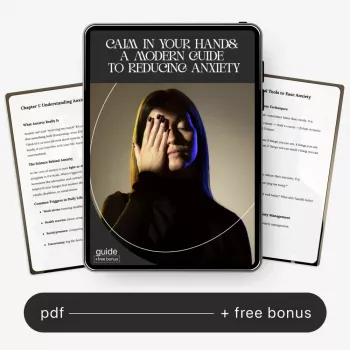
Calm in Your Hands: Practical Mindfulness and Daily Routines for Reducing Anxiety
Anxiety can feel loud, urgent, and physical—racing thoughts, a tight chest, restless sleep, or a constant sense of dread. Relief usually comes from small, repeatable skills that calm the body first and then reshape the mind over time. The goal isn’t “perfect calm.” It’s having reliable tools that help you get to a steady, workable place—again and again—until your baseline starts to shift.
What Anxiety Feels Like in the Body (and Why That Matters)
Anxiety often shows up as a body alarm: faster breathing, tense shoulders, an upset stomach, jaw clenching, or difficulty focusing. When the nervous system reads something as “threat,” it pushes you into protection mode—more scanning, more urgency, less flexibility.
The good news: the nervous system can be trained to shift from threat mode to safety mode using breath, grounding, and gentle attention cues. These are not complicated techniques; they’re simple signals to the body that it can stand down.
Progress is usually uneven. Some days the tools work quickly; other days they barely move the needle. That’s normal. Aim for “good enough” calm that lets you take your next step.
A 5-Minute Reset for the Moment Anxiety Spikes
When anxiety surges, start with the body and the environment before you try to “think your way out.” This quick reset is designed to be done anywhere—desk chair, car (parked), kitchen, hallway.
1) Name it (10 seconds)
Say to yourself: “This is anxiety.” A short label can reduce confusion and secondary panic by clarifying what’s happening.
2) Grounding with 5-4-3-2-1 (60–90 seconds)
Find five things you can see, four you can feel, three you can hear, two you can smell, and one you can taste. The point is not perfection—it’s anchoring attention to what’s real and present.
3) Breath pacing (60–90 seconds)
Inhale gently through the nose, then exhale longer than you inhale. A longer exhale is a safety signal to the body. Keep it light; forcing big breaths can increase dizziness for some people.
4) Muscle release (30–60 seconds)
Unclench the jaw, drop the shoulders, and relax the hands. Repeat twice. This interrupts the “bracing” posture that keeps anxiety loud.
5) Close with one next step (30 seconds)
Choose a single action: drink water, step outside for air, or send a short message to a supportive person. Momentum matters; one doable step reduces helplessness.
Mindfulness Techniques That Don’t Require “Emptying the Mind”
Mindfulness isn’t about blankness—it’s training attention to return. Thoughts are expected; they’re not failure. Each time you notice the mind pulled away and gently guide it back, you’re practicing the skill.
Try “noting”
Silently label what’s happening: “thinking,” “planning,” “worrying,” “remembering.” Then return to a simple focus point. Labeling reduces the sense that thoughts are commands you must obey.
Use a neutral anchor
If breath awareness feels too intense, choose something neutral: feet on the floor, the contact of clothing, or the rise and fall of the abdomen (without controlling it).
Move if stillness increases discomfort
If sitting still makes anxiety spike, use mindful walking (feel heel-to-toe steps) or mindful dishwashing (temperature, texture, sound). Mindfulness is portable; it can be practiced in motion.
Build a Daily Calm Routine (Small Enough to Keep)
Consistency matters more than duration. A routine that’s “too small to fail” builds trust with your nervous system—showing it, day after day, that you know how to downshift.
Morning (1 minute)
Midday (2–3 minutes)
Evening (5 minutes)
| Situation | 1–3 Minute Practice | What It Supports |
|---|---|---|
| Racing thoughts at night | Write 5 worries + 1 next action each, then 6 slow exhales | Reduces mental looping; increases a sense of control |
| Social anxiety before an event | Feel feet + relax jaw + longer exhale breathing | Calms physical symptoms; steadies voice and posture |
| Overwhelm during work | 5-4-3-2-1 grounding + shoulder drop | Interrupts spirals; improves focus |
| Panic sensations | Cold water on face + paced exhale breathing | Helps the body shift out of alarm |
Long-Term Stress Relief: Habits That Make Anxiety Less Sticky
For a deeper overview of anxiety symptoms and treatment options, the National Institute of Mental Health is a helpful starting point.
When Thoughts Keep Pulling You Back: Simple Cognitive Reframes
Mindfulness has a growing research base for stress reduction; the American Psychological Association summarizes how mindfulness meditation supports well-being.
Using a Guided Digital Plan to Stay Consistent
- Calm in Your Hands: A Modern Guide to Reducing Anxiety (digital guide with practical mindfulness techniques and long-term stress relief habits)
- Using AI to Practice Empathy Toward Yourself (self-compassion prompts and supportive reflection to soften harsh inner commentary)
- A Guide to Resetting Your Mind After Burnout (recovery-focused routines when stress has been chronic)
When to Get Extra Help
For more detail on panic symptoms and when to seek support, the NHS overview of panic disorder is a useful reference.
FAQ
How long does it take for mindfulness to help with anxiety?
Some people feel a small drop in intensity the same day, especially with grounding and longer-exhale breathing. Lasting change usually builds over weeks through consistent practice and pairing mindfulness with sleep, movement, and boundary habits.
What if focusing on the breath makes anxiety worse?
Switch to another anchor like feet on the floor, sounds in the room, or the feeling of your hands. Keep your eyes open, shorten practice to 30–60 seconds, and use grounding first; mindful walking can also feel safer than stillness.
Is an eBook enough, or is therapy still recommended?
A guide can teach skills and help you practice consistently, but it isn’t a replacement for medical or mental health care. Therapy is strongly recommended when anxiety causes persistent impairment, involves trauma, includes severe panic, or raises any safety concerns.






Leave a comment